The Digital Marketing Revolution
Welcome to WordPress. This is your first post. Edit or delete it, then start writing!
The Digital Marketing Revolution
The Digital Marketing Revolution
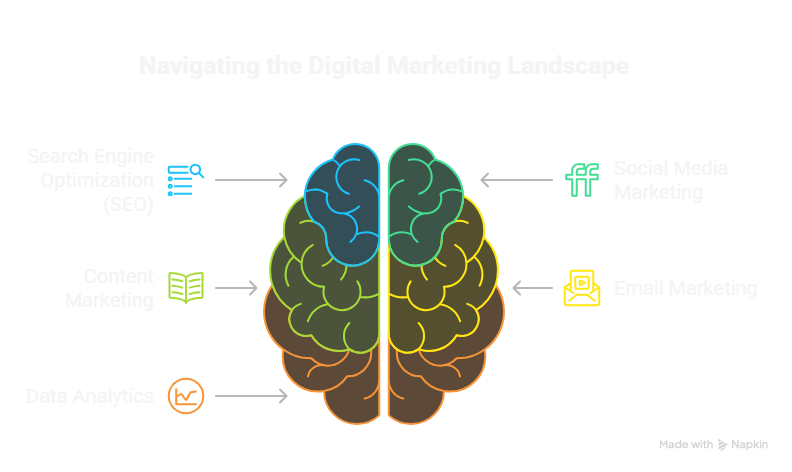
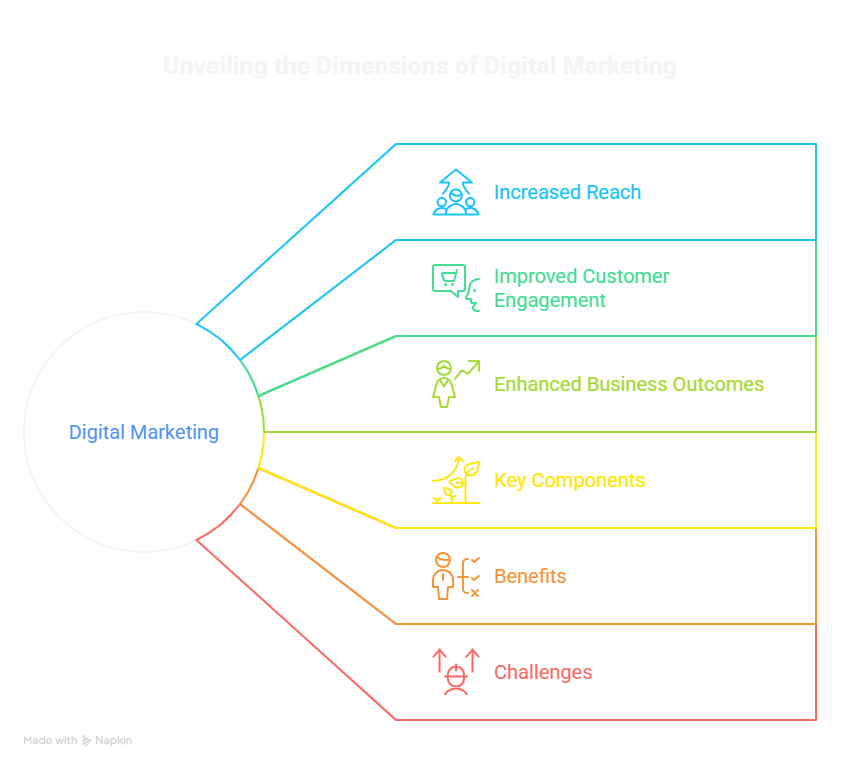
This document explores the evolving landscape of modern marketing, emphasizing the critical shift towards digital strategies. It delves into key areas such as search engine optimization (SEO), social media marketing, content marketing, email marketing, and data analytics, providing insights into how businesses can effectively leverage these tools to reach their target audiences, build brand awareness, and drive conversions in an increasingly digital world.
The Digital Marketing Revolution
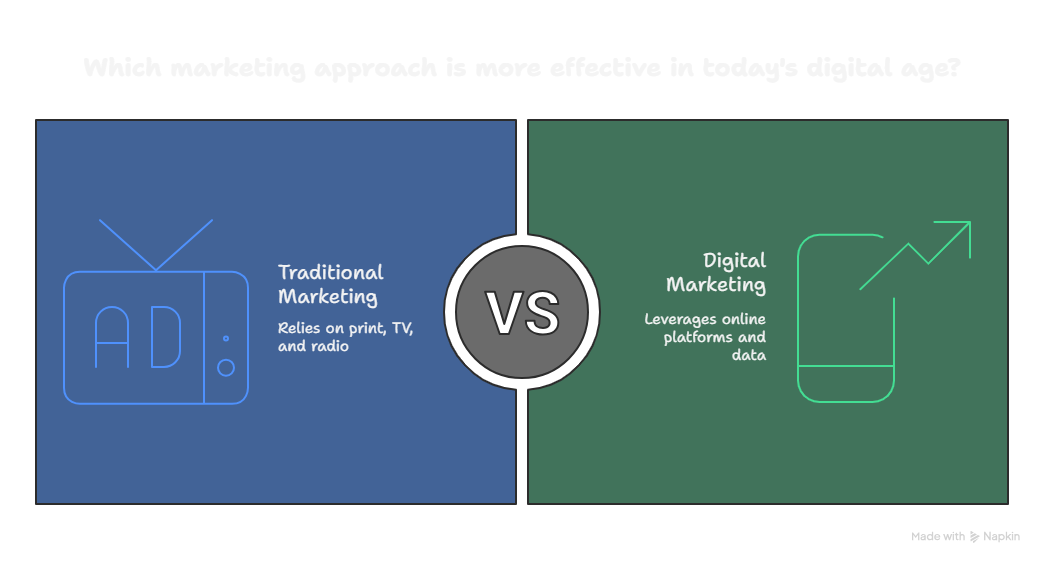
The marketing landscape has undergone a dramatic transformation in recent years, driven by the proliferation of digital technologies and the increasing reliance of consumers on online platforms. Traditional marketing methods, while still relevant in some contexts, are becoming less effective as consumers spend more time online, engaging with brands and making purchasing decisions through digital channels. This shift has given rise to a new era of marketing, one that is characterized by data-driven insights, personalized experiences, and a focus on building meaningful relationships with customers.
Key Pillars of Modern Digital Marketing
1. Search Engine Optimization (SEO)
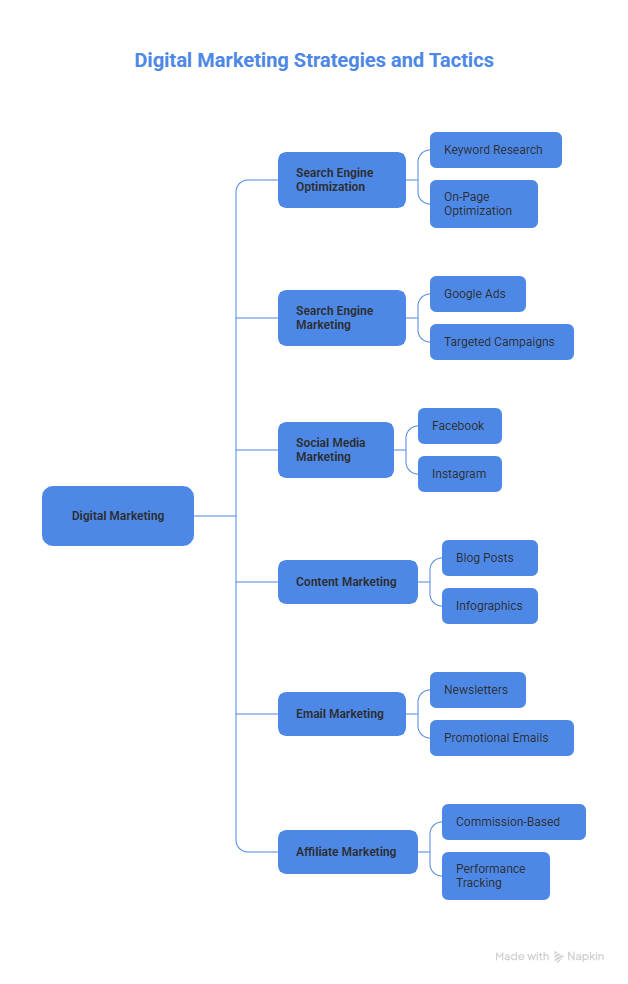
SEO is the process of optimizing a website and its content to rank higher in search engine results pages (SERPs). This is crucial because the higher a website ranks, the more likely it is to be seen by potential customers who are actively searching for relevant products or services. Effective SEO involves a combination of on-page optimization (e.g., keyword research, content optimization, technical SEO) and off-page optimization (e.g., link building, social media engagement).
-
Keyword Research: Identifying the keywords and phrases that your target audience is using to search for your products or services.
-
On-Page Optimization: Optimizing your website’s content, meta descriptions, and title tags to include relevant keywords.
-
Technical SEO: Ensuring that your website is easily crawlable and indexable by search engines.
-
Link Building: Acquiring high-quality backlinks from other reputable websites.
-
Content Marketing: Creating valuable and engaging content that attracts and retains your target audience.

2. Social Media Marketing
Social media platforms have become powerful tools for businesses to connect with their target audiences, build brand awareness, and drive traffic to their websites. Effective social media marketing involves creating engaging content, building a strong online community, and using social media advertising to reach a wider audience.
Key Social Media Marketing Strategies:
-
Platform Selection: Choosing the social media platforms that are most relevant to your target audience.
-
Content Creation: Creating engaging and shareable content that resonates with your audience.
-
Community Building: Building a strong online community by interacting with your followers and responding to their comments and questions.
-
Social Media Advertising: Using social media advertising to reach a wider audience and drive traffic to your website.
-
Influencer Marketing: Collaborating with influencers to promote your brand and reach a new audience.


September 3, 2025 @ 5:18 am
Hi, this is a comment.
To get started with moderating, editing, and deleting comments, please visit the Comments screen in the dashboard.
Commenter avatars come from Gravatar.